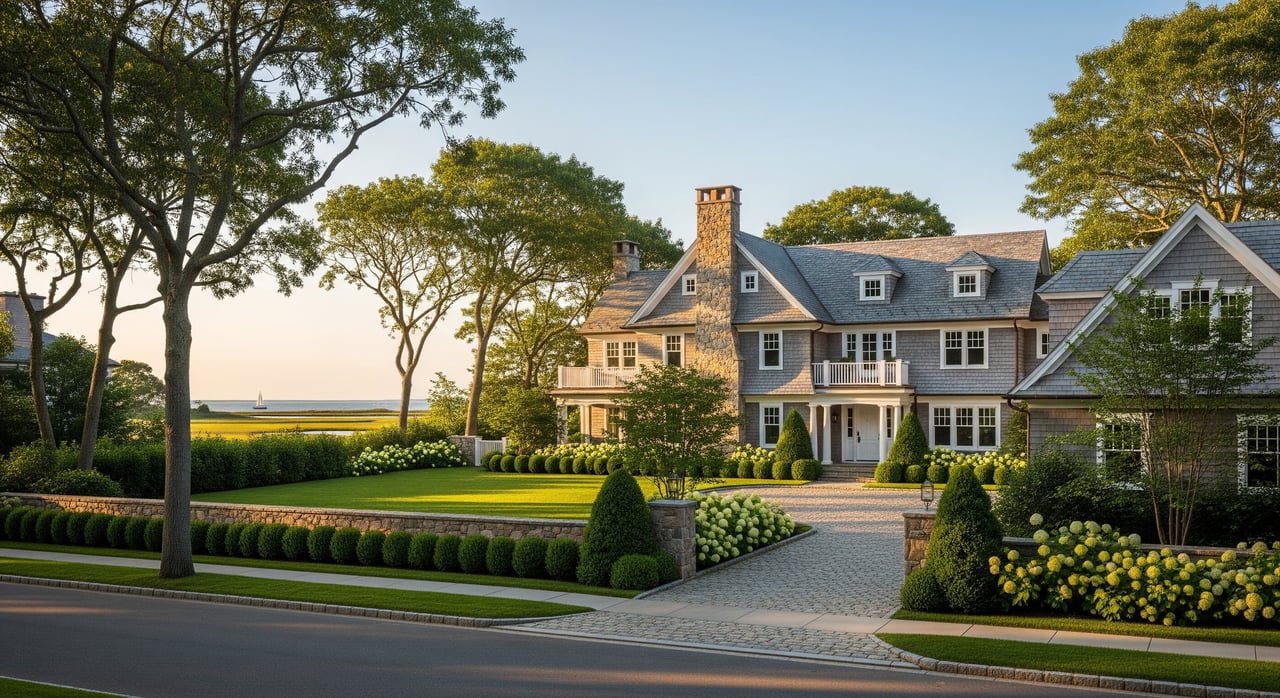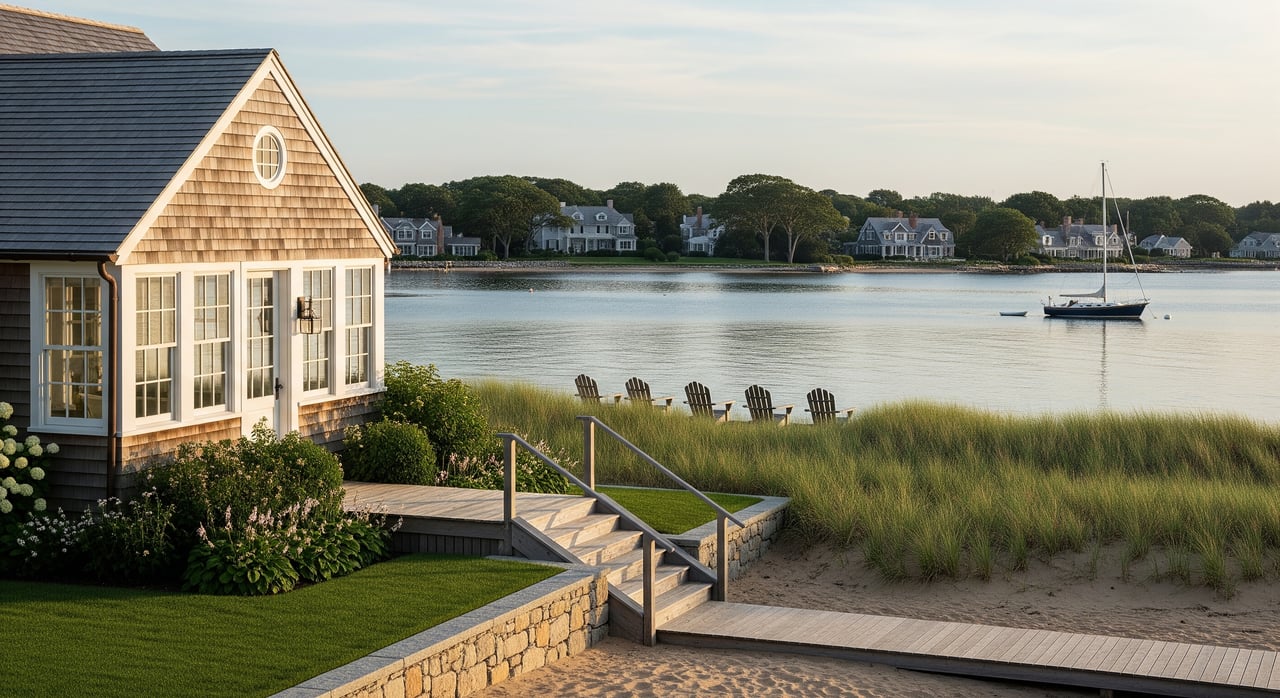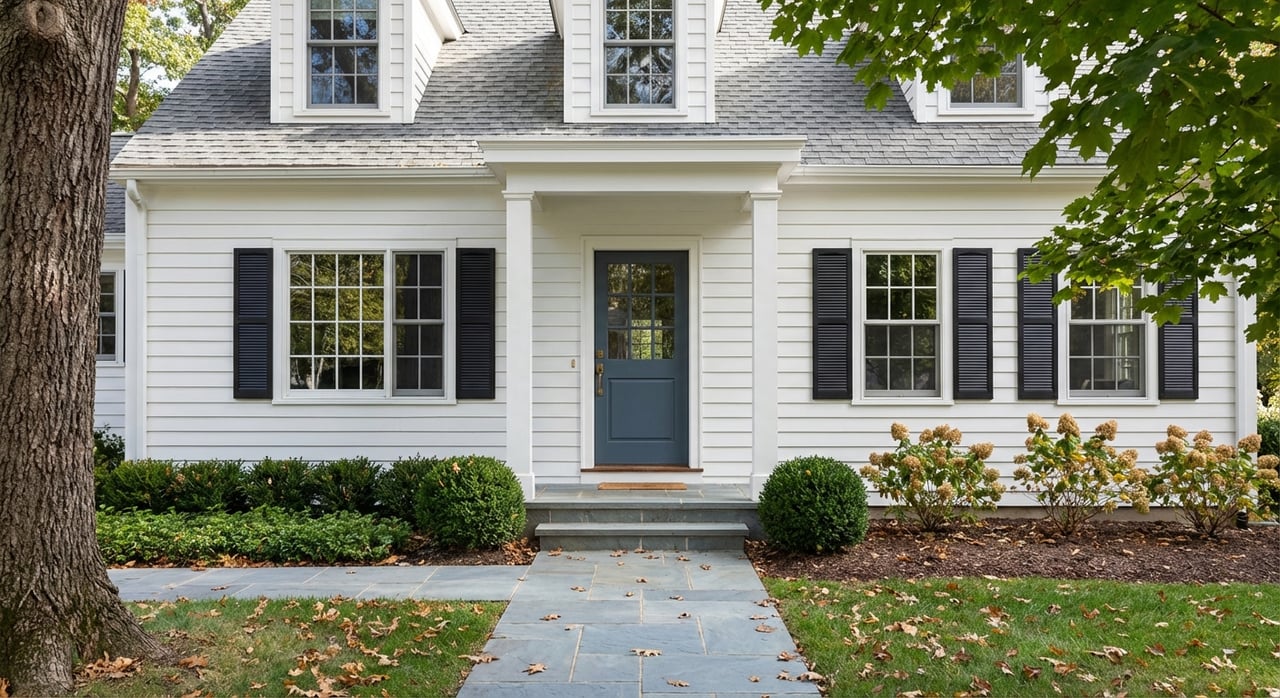
Thinking about selling your Greenwich luxury home in 2026? The market is selective, not slow, and top results still go to listings that look and feel turnkey. You want a clear read on pricing, timing, and how to present your home so it stands out. In this guide, you’ll get a quick market snapshot, how buyers behave by price band, the presentation moves that work, and a simple pricing playbook. Let’s dive in.
Greenwich market snapshot now
Greenwich remains a high‑end market. Recent monthly and annual snapshots place the town’s median sale value in the low $3 million range, with the local MLS year‑end single‑family median near $3.15 million. Differences across reports often reflect the time window and whether they track single‑family only or all property types. You can review local MLS trends in the Greenwich Association of REALTORS quarterly update at the end of 2025 for context on inventory and pricing patterns. The GAR Q4 2025 report offers town‑level specifics.
Speed varies by source and metric. Some snapshots show a median time to contract in the mid‑40s, while others show average market time north of 70 days. The median and the average can tell different stories in a market with a wide price range, so ask your agent which measure they use and why it fits your property.
Price realization is still solid for well‑positioned homes. Many listings sell at or above list when the property is move‑in ready and correctly priced, though a notable share also require reductions. That mix signals a selective market where presentation and pricing discipline matter.
Financing is more favorable than in 2023, which helps parts of the buyer pool. The 30‑year fixed rate hovered near the low‑6 percents in mid‑February 2026, according to the Freddie Mac PMMS. You can track rate movement in this recent Freddie Mac update.
Buyer behavior by price band
Luxury is often defined as the top 10 percent of local sales, but that threshold shifts with the market. Local reporting confirms that the cutoff moves with the sample period, so align on a definition for your home before you price. See this discussion of how the luxury tier is framed in Greenwich in Greenwich Time’s year‑in‑review.
Entry luxury: about $2M to $3M
Demand is steady here, with many buyers moving up within Fairfield County. Updated, well‑located homes that align with neighborhood comps tend to move fastest. If your home needs work, strategic refreshes can close the gap.
Mid luxury: about $3M to $5M
This band has been one of the most active and competitive in recent months. Regional broker coverage highlights sustained interest above $3 million, especially for coastal and well‑located homes. When a listing is turnkey, multiple offers are more likely. See a recent market overview of Greenwich’s resilience in this regional report.
Upper luxury: about $5M to $10M
The buyer pool narrows and condition matters more. Updated estates with privacy, strong lots, and lifestyle amenities outperform dated properties that require major renovation. If you plan to sell without large improvements, your pricing and marketing must set clear expectations.
Trophy market: above $10M
Activity is selective but real. Buyers at this level are choosy about architecture, design pedigree, privacy, and turnkey quality. Trophy listings that meet those expectations can sell quickly at strong levels. Others may need longer windows or more flexible terms.
Presentation that earns top results
Staging and preparation reduce time on market and can influence offers. The National Association of REALTORS reports that staging helps buyers visualize a property and often speeds up sales. Learn why staging is top of mind in today’s market in NAR’s staging overview.
Costs vary by scope and size. Partial staging for key rooms is often a few thousand dollars, while full staging for a vacant luxury home can be significantly more and is sometimes priced near 1 percent of list. Many sellers recover staging costs through faster sales and modest price lift. For a helpful national overview of ranges and ROI, see Bankrate’s guide to staging costs.
High‑ROI presentation plan for Greenwich:
- Prioritize the living room, kitchen, and primary suite. These rooms carry the most weight with buyers, according to NAR’s survey.
- Commission professional photography, including twilight exteriors, detail vignettes, and aerials where appropriate.
- Provide accurate floor plans and a 3D or video tour. Many buyers screen online before committing to a visit, especially if they live out of town.
- Consider partial staging or targeted refreshes if your home is largely turnkey. Focus on the entry sequence, show kitchen, primary suite, and outdoor living.
Price with precision
Overpricing has clear consequences. Listings that debut well above buyer expectations tend to sit longer, take price cuts, and can lose momentum as platforms surface fresher options. Local coverage has highlighted high‑profile estates that adjusted sharply when early pricing missed the mark, a reminder to pair presentation with realistic positioning. See a recent example of a prominent Greenwich listing entering contract after a recalibration in this New York Post report.
Use this simple pricing playbook:
Build on GMLS data, not national averages. Use recent closed sales in your sub‑neighborhood and price band, because Old Greenwich, Riverside, Belle Haven, and back‑country often move differently. The Greenwich Association of REALTORS quarterly update is a good benchmark for town‑level trends.
Pair a price corridor with a 2 to 4 week feedback window. If showings are strong and offers track near list, stay the course. If traffic is light and feedback cites price or condition, adjust quickly.
Match strategy to your goals. If time matters most, price close to market with strong staging and marketing. If you will wait for a peak result, set an aspirational ask but define a clear timetable and fallback plan.
Greenwich seller checklist
Data and agent selection
- Ask for GMLS comps for your sub‑market and price band, plus marketing examples for similar luxury sales. Review how the agent will position your home in the first 30 days. You can align on town‑level context with GAR’s Q4 2025 update.
Pre‑market preparation
- Budget for professional photography, floor plans, and either targeted or full staging based on your home’s readiness. Use a clear scope, timeline, and deliverables list so everyone is aligned.
Pricing and launch
- Set a defined pricing corridor and a two to four week measurement plan. Track showings, agent feedback, and early offers. Be ready with a pre‑agreed adjustment if momentum lags.
Marketing focus
- Leverage national brand distribution, targeted digital outreach to NYC and Westchester buyer pools, and polished print assets. For high‑tier listings, offer private, pre‑qualified showings and broker previews.
Negotiations and terms
- Expect requests for extended inspections or additional diligence on complex properties. For trophy listings, prioritize buyers with verified funds or strong jumbo pre‑approvals to reduce fall‑through risk.
What to watch next in 2026
Inventory and months’ supply. If luxury inventory tightens, competition will rise and well‑prepared listings gain leverage. If supply builds, expect buyers to compare more closely on condition and price. Check the latest local read via Greenwich Association of REALTORS releases.
Mortgage rate trend. A sustained move lower could broaden the financed buyer pool. A jump higher may cool non‑cash segments. Track the weekly PMMS benchmark in Freddie Mac’s updates.
Recent high‑end comps. A handful of $5 million to $10 million plus trades can reset expectations in a small, luxury‑heavy market. Watch timing and price realization on the closings most similar to your home.
The bottom line
Greenwich luxury remains in demand, especially for homes that feel turnkey and are priced with precision. If you invest in thoughtful staging, professional visuals, and a data‑driven launch, you can still create urgency and strong outcomes in 2026.
Ready to talk strategy for your home in Old Greenwich, Riverside, or back‑country? Connect with Nora Giovati to design a custom plan that pairs boutique presentation with national reach.
FAQs
How long are Greenwich luxury homes taking to sell in early 2026?
- Market time varies by metric, with some snapshots showing a median in the mid‑40s and others an average above 70 days, so confirm which measure fits your price band and neighborhood.
What price range defines “luxury” in Greenwich right now?
- Luxury often tracks the top 10 percent of sales, which in Greenwich typically falls in the mid to high millions and shifts with recent closings and inventory.
Do I need to stage a high‑end home in Greenwich?
- Yes, staging often reduces time on market and can improve offers, and focusing on the living room, kitchen, and primary suite gives you the most impact for budget.
How should I price a waterfront or back‑country estate?
- Build on recent GMLS comps for similar properties, use a defined price corridor, and set a 2 to 4 week feedback window to adjust quickly if traffic or offers lag.
How are mortgage rates affecting luxury buyers now?
- With 30‑year rates in the low‑6 percents recently, financed segments get some relief while cash and jumbo buyers remain active but selective.
What is the best time to list a luxury home in Greenwich?
- Timing depends on your property and goals, but a well‑prepared launch aligned with low competing inventory and recent strong comps usually creates the best leverage.