Thinking about simplifying your home life without giving up Riverside’s location perks? In Riverside, condo and townhome living can offer a practical middle ground for buyers who want less day-to-day upkeep, easier access to transit, and a neighborhood setting close to outdoor amenities. If you are weighing attached living against a single-family home, this guide will help you understand where these homes fit in Riverside, what trade-offs to expect, and which details matter most before you buy. Let’s dive in.
Condo and townhome options in Riverside
Riverside is not a neighborhood where condos and townhomes dominate the housing mix. According to Greenwich’s Eastern Greenwich Neighborhood Plan, most of Riverside is made up of single-family homes, with only limited non-single-family housing in select pockets.
That matters because attached homes here tend to feel more specialized and less common. In practice, buyers often look at these properties not just for the home itself, but for the combination of location, lower-maintenance living, and the relative scarcity of this housing type in Riverside.
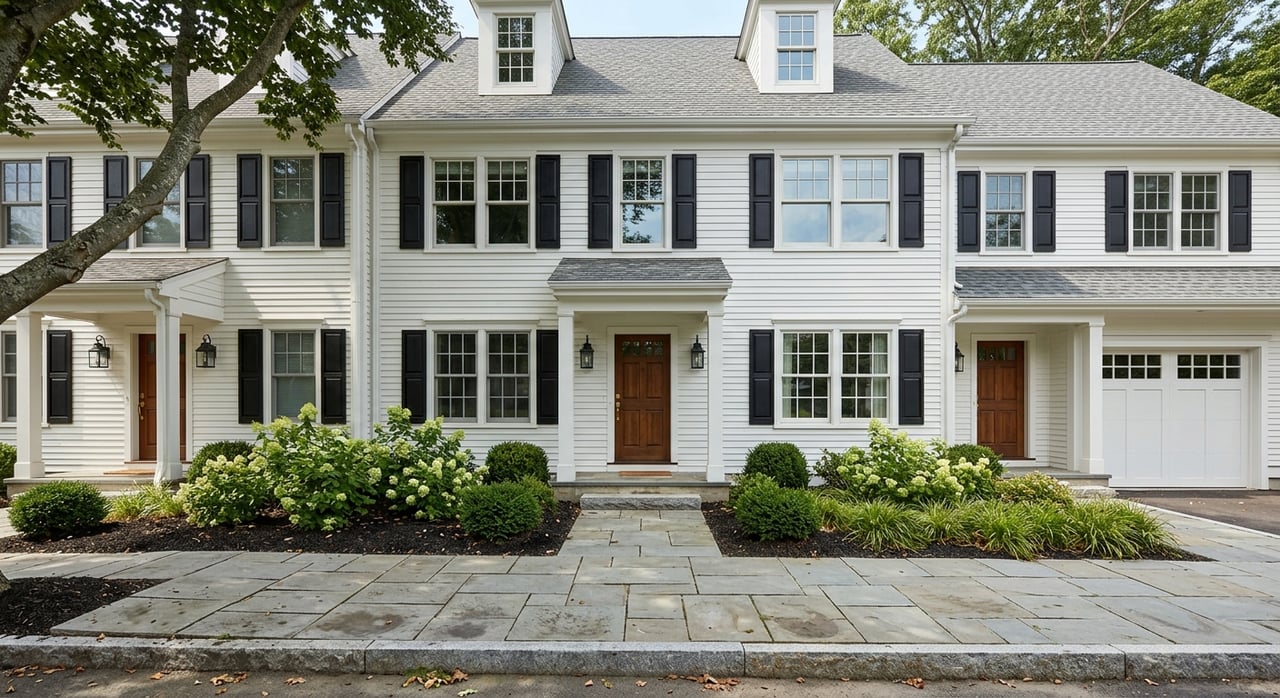
The town plan specifically points to attached or non-single-family housing along the Route 1 corridor and identifies examples such as Silo Hill townhomes on Sheephill Road and Miller’s Crossing on Palmer Hill Road. Silo Hill’s community site places it at 119 Sheephill Road on an 11-acre property.
Why Riverside appeals to attached-home buyers
For many buyers, the biggest draw is convenience. Riverside offers a strong commuter setup, and the New Haven Line connects New Haven, Greenwich, and Grand Central Terminal.
The Town of Greenwich also lists Riverside Railroad Station as a commuter parking location. For buyers who commute into New York City or nearby business centers, that station access can make a condo or townhome especially appealing.
Riverside also offers access to outdoor spaces that support an easy, lifestyle-oriented routine. Schongalla Nature Preserve, located in Riverside, includes walking and hiking trails plus a lake.
Nearby amenities in Old Greenwich add even more recreation options. Greenwich Point Park and Binney Park offer features such as beach access, walking paths, tennis, playgrounds, and open space for everyday enjoyment.
Parking deserves extra attention
In Riverside, parking should be a major part of your decision, not an afterthought. Greenwich’s transportation summary lists Riverside station with 282 permit spaces and 33 daily spaces, which shows that commuter parking supply is limited.
That is one reason home-based parking can carry real value in a condo or townhome purchase. A deeded garage space, assigned outdoor space, or reliable guest parking setup may affect your daily experience just as much as the kitchen layout or bedroom count.
When you tour attached homes, ask direct questions early. You will want to know whether parking is deeded, assigned, or first-come, and whether there is guest parking for visitors.
Understand what the HOA actually maintains
One of the biggest mistakes buyers make is assuming that the word townhome tells them everything about ownership and maintenance. In Connecticut, condominium associations generally maintain common elements, while unit owners maintain their own units unless the declaration says otherwise.
State law also separates common elements from limited common elements. That distinction can affect responsibility for items like decks, porches, storage areas, garages, or other spaces that are connected to your unit but not always maintained the same way.
In simple terms, two townhome-style properties can look similar and operate very differently. You should review the declaration and association documents closely so you understand who handles the roof, driveway, exterior surfaces, and any shared amenities.
Monthly fees are part of the lifestyle trade-off
Lower-maintenance living usually does not mean maintenance disappears. Instead, some of the work shifts to the association, and that usually means monthly dues and shared reserve funding.
Connecticut law contemplates association budgets, reserves, and common expenses. That means buyers should look beyond the listing price and ask how the monthly fee is structured, what it covers, and whether the association appears to be planning responsibly for future repairs and upkeep.
This is especially important if you are downsizing from a larger home. A condo or townhome may reduce your personal to-do list, but you still want to understand the financial side of that convenience.
Storage can shape daily comfort
Storage is easy to overlook until move-in day. In attached living, practical space for bikes, holiday decor, luggage, sports equipment, and seasonal items can make a big difference in how functional the home feels.
That is why it helps to ask whether storage is private, shared, deeded, or limited common area. If you are moving from a single-family home with a basement, attic, or oversized garage, this point becomes even more important.
For commuters and active households, bike storage and garage access may be just as useful as extra closet space. A well-located home can lose some of its convenience if the storage setup feels tight from the start.
How attached living compares with single-family homes
A Riverside condo or townhome often offers less exterior maintenance and less yard work than a detached house. For many buyers, that is the main advantage.
The trade-off is usually less private land and less control over exterior changes. If you are used to making landscaping decisions, expanding outdoor features, or customizing the exterior freely, attached living may feel more structured.
The town plan also notes that as density decreases toward Long Island Sound, waterfront homes can be substantial and may include private amenities such as pools and tennis courts. Compared with that type of property, attached living usually means a different balance of privacy, space, and upkeep.
Flood zones and coastal conditions matter
Because Riverside is a coastal area, flood exposure should be part of your review. Greenwich’s Eastern Greenwich Neighborhood Plan notes flooding issues in waterfront areas within Riverside and explains that FEMA flood zones bring stricter building-code requirements.
The town’s stormwater materials also note that more frequent high-intensity storms make drainage systems more important in reducing flood risk. For buyers considering a condo or townhome near the water or in a lower-lying area, this is not a minor detail.
You will want to understand whether the property is in a flood zone and how that may affect the building, ongoing costs, or future planning. In an attached community, it is also smart to understand how drainage and exterior systems are maintained.
Who is a good fit for a Riverside condo or townhome?
Attached living in Riverside is often a strong fit if you care more about location, rail access, and reduced upkeep than having a large yard. That can appeal to commuters, downsizers, and buyers who want a more streamlined home base in Greenwich.
It may also appeal to buyers looking for an age-friendly setup. Greenwich planning documents emphasize age-friendly housing and aging in place, which helps explain why lower-maintenance housing can be attractive for people who want to simplify without leaving the area.
At the same time, this lifestyle is not one-size-fits-all. If your priority is maximum privacy, extensive outdoor space, or broad control over exterior changes, a single-family home may still be the better match.
A smart due-diligence checklist
Before you move forward on a Riverside condo or townhome, focus on the details that shape everyday living. These questions can help you evaluate whether a property truly fits your lifestyle.
- Is the parking deeded, assigned, or first-come?
- Is there guest parking?
- Do you get garage space, bike storage, or room for seasonal items?
- What do the monthly fees cover?
- How are reserves and common expenses handled?
- Which items are your responsibility, and which belong to the association?
- Are any spaces limited common elements?
- Is the property in or near a flood zone?
In Riverside, these practical questions often matter more than buyers expect. The right attached home can feel easy, efficient, and well-located, but only if the ownership structure and daily logistics work for you.
If you are exploring condo or townhome living in Riverside, a local perspective can help you compare not just floor plans, but also the lifestyle trade-offs behind each option. For tailored guidance on Riverside, Old Greenwich, and surrounding Greenwich neighborhoods, connect with Nora Giovati.
FAQs
What types of attached homes are available in Riverside, CT?
- Riverside has limited condo and townhome inventory, with attached housing appearing in smaller pockets rather than as the neighborhood’s main housing type.
Why is parking important when buying a Riverside condo or townhome?
- Parking matters because Riverside station parking is limited, so deeded, assigned, or otherwise reliable home parking can significantly affect convenience.
What should you review in a Connecticut condo association before buying?
- You should review the declaration, maintenance responsibilities, monthly fees, reserve planning, common expenses, and how parking or storage areas are classified.
How does condo or townhome living in Riverside compare with a single-family home?
- Attached living usually offers less exterior maintenance and less yard work, but it also typically means less private land and less control over exterior changes.
Do flood zones affect condo and townhome buyers in Riverside?
- Yes, some waterfront areas in Riverside have flooding concerns, and properties in FEMA flood zones may face stricter building-code requirements and added planning considerations.