Wondering why one Old Greenwich home gets immediate showing requests while another, at a similar price point, sits longer than expected? In a market where buyers are comparing premium properties quickly and often online first, presentation shapes that first impression in a big way. When your home is staged well, buyers can picture the lifestyle as clearly as the layout. Let’s dive in.
Why staging matters in Old Greenwich
Old Greenwich is not just a place on a map. It is one of Greenwich’s village centers, with its own business district, post office, school, and train station, plus the shoreline draw of Greenwich Point Park. That means buyers are often judging both the home itself and how well it fits a coastal, commuter-friendly lifestyle.
That context matters even more in a selective market. Recent Old Greenwich market data showed a median sale price of $2.2 million, with homes averaging 101.9% of list price and many receiving multiple offers. In a competitive setting like that, staging helps your home stand out fast when buyers are deciding which properties deserve a visit.
What staging changes for buyers
At its core, staging helps buyers understand a home more easily. According to the 2025 Profile of Home Staging, 83% of buyers’ agents said staging made it easier for a buyer to visualize the property as a future home. That is important because buyers do not just purchase square footage. They respond to how a space feels and whether they can imagine living there.
Staging can also create momentum. In the same report, 49% of sellers’ agents said staging reduced time on market, and 29% reported a 1% to 10% increase in the dollar value offered. Those results are not automatic in every sale, but they show why many sellers treat staging as a smart marketing step rather than an extra.
There is also a trust factor at play. NAR found that 48% of respondents said buyers expected homes to look like they do on TV, and 58% said buyers felt disappointed by the difference. When your home looks current, clean, and intentional, it helps close the gap between expectation and reality.
Online first impressions shape showing demand
Before buyers ever step through the front door, they usually meet your home on a screen. NAR found that 43% of buyers in 2024 started their search online, and the most valuable listing content included photos, detailed property information, and floor plans. Buyers were also more willing to walk through a home they had already seen online.
Zillow’s 2025 consumer survey tells a similar story. Floor plans ranked as the most important listing feature, high-resolution photos came in second, and 3D or virtual tours came in third. Zillow also found that 59% of prospective buyers had been shopping for six months or longer, which means your listing may be compared against many others over time.
For Old Greenwich sellers, that means your listing has to do more than look nice in person. It needs to read clearly in photos, make sense in a floor plan, and hold up through a long comparison process. Staging gives your marketing a stronger foundation because it helps each room look purposeful and easy to understand.
Which rooms matter most
Not every room carries the same weight with buyers. NAR’s 2025 staging report found that buyers cared most about the living room, primary bedroom, and kitchen. Those are the spaces where buyers tend to spend the most time mentally placing their own routines.
That does not mean secondary spaces should be ignored. Sellers’ agents most often staged the living room, primary bedroom, dining room, and kitchen. When these rooms feel cohesive, the whole home feels more polished and move-in ready.
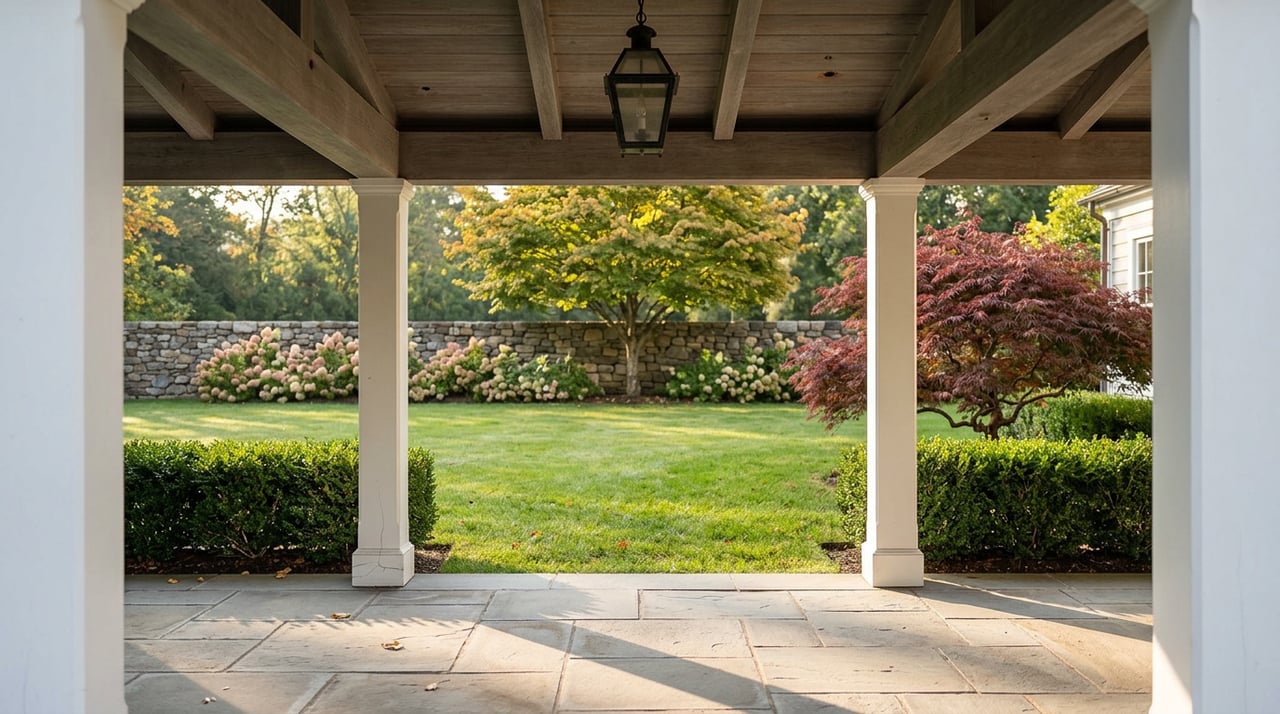
In Old Greenwich, outdoor spaces also deserve extra attention. Buyers are often drawn to the shoreline setting and a lifestyle tied to fresh air, water access, and easy indoor-outdoor flow. Patios, terraces, seating areas, and window views can help reinforce that story when they are staged with the same care as the main interior spaces.
How staging supports the Old Greenwich lifestyle story
A strong Old Greenwich listing is not only about furniture placement. It is about showing buyers how the home fits the life they want. In a village known for beach access, train convenience, and a distinct neighborhood center, buyers are often looking for homes that feel bright, open, and connected to their surroundings.
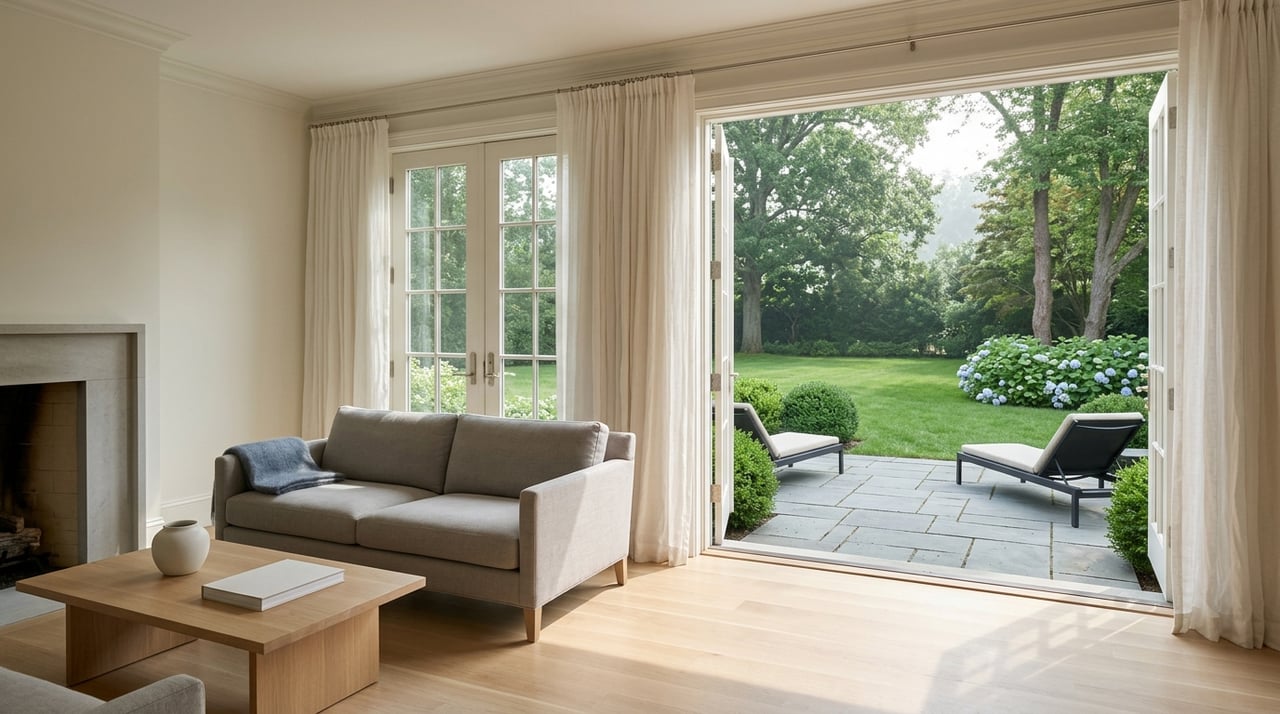
That is why staging in this market often works best when it highlights natural light, clear room flow, and outdoor connection. Open window treatments, lighter textiles, and seating plans that keep sightlines clean can make rooms feel more expansive. If a home has a fireplace, a wall of windows, or a view toward the yard or water, staging should help that feature lead the story.
Search behavior supports this approach. Zillow reported that buyers in coastal states gravitated toward terms like beach, oceanfront, dock, and balcony, and that searches tied to proximity to water rose nationally. In Old Greenwich, staging can help buyers connect those lifestyle cues to your home from the moment they see the listing.
What buyers notice in a before-and-after
The biggest staging changes are usually simple, not flashy. Before staging, a room may feel crowded, too personal, or unclear in purpose. Oversized furniture, heavy window treatments, family photos, and visible clutter can make even a well-kept home feel smaller or harder to read.
After staging, buyers usually see something very different. The room feels edited, the furniture fits the scale of the space, circulation is easier, and there is a clear focal point. That focal point might be a fireplace, a picture window, French doors to the patio, or simply a cleaner, brighter layout.
This kind of transformation matters because buyers make quick judgments. If a room does not photograph well or feels confusing in person, buyers may assume there is a problem even when the issue is only presentation. Good staging removes that friction.
Practical staging priorities before launch
If you are getting ready to sell in Old Greenwich, the goal is not to make your home look generic. The goal is to make it feel intentional, cared for, and easy for buyers to imagine as their own. That usually starts with a few core steps.
Start with decluttering and cleaning
NAR reported that decluttering, cleaning, and curb appeal were the most common pre-listing recommendations. These basics matter because they make everything else work better, from photography to in-person showings. Clean surfaces, open pathways, and reduced visual noise help buyers focus on the home itself.
Depersonalize without removing warmth
Buyers need to picture their own life in the home. That becomes harder when shelves, walls, and surfaces are filled with personal items. You do not need to erase all personality, but you do want each room to feel broadly inviting rather than highly specific.
Improve room flow
Furniture placement should show how a room functions. If a seating area blocks movement or makes a room feel tight, buyers may read the space as smaller than it is. Scaled furniture and clear circulation help a floor plan feel more usable both online and in person.
Highlight light and views
In a coastal market, natural light is part of the appeal. Open window treatments, thoughtful lamp placement, and bright, neutral finishes can help each room feel fresher and more connected to the outdoors. If your home has a special view or a strong indoor-outdoor relationship, staging should make that feature easy to notice.
Do not overlook curb appeal
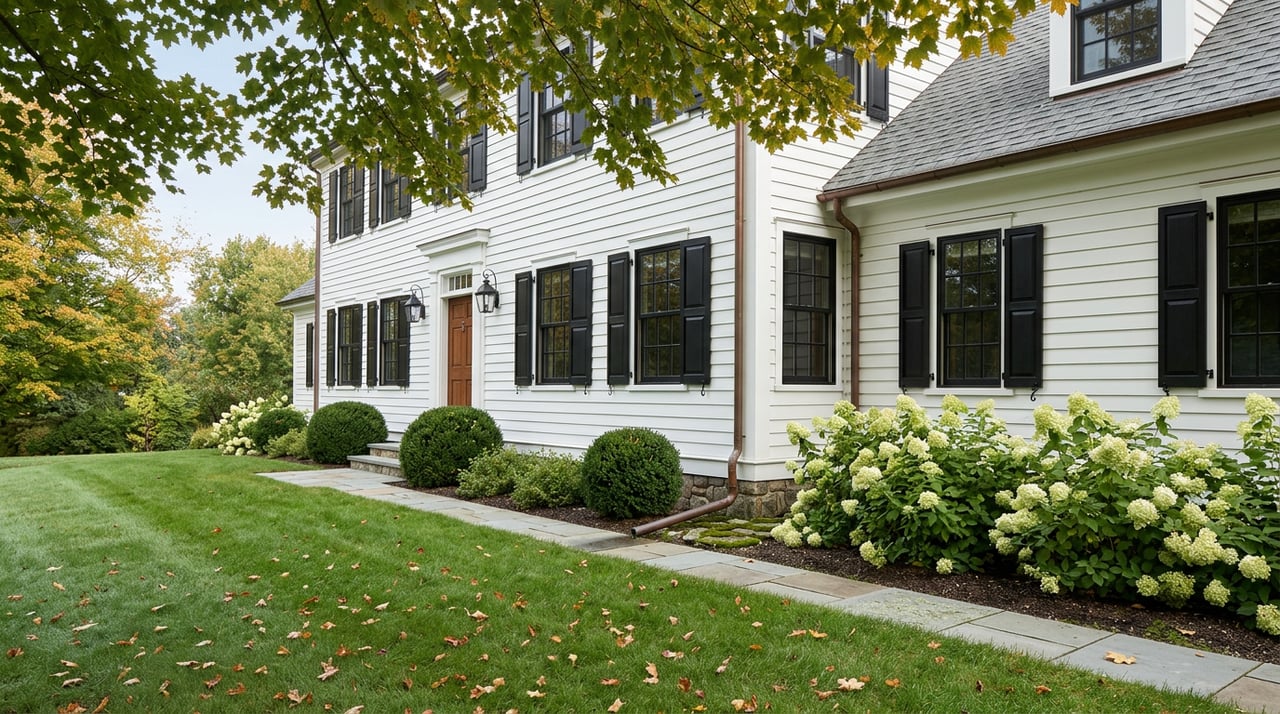
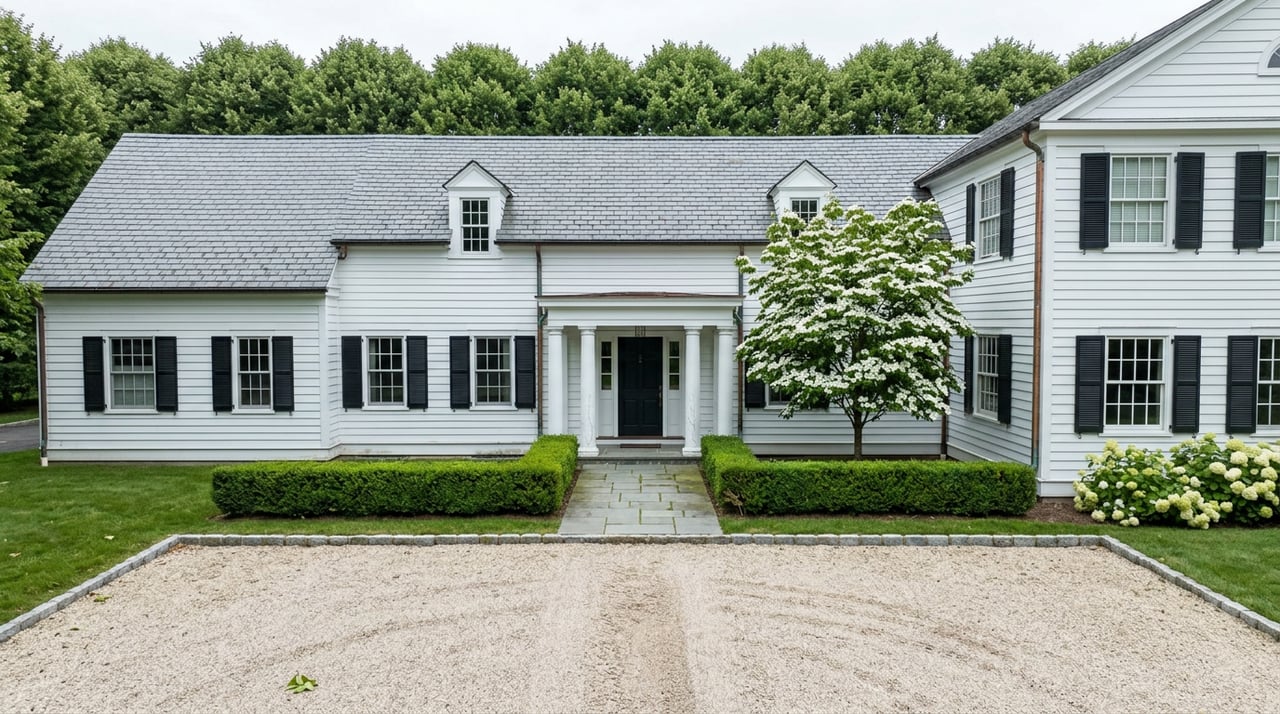
The showing starts at the street. A tidy entry, maintained landscaping, and an orderly exterior signal that the home has been cared for. In a high-end market, buyers often carry that first impression with them through the rest of the tour.
Is staging worth the investment?
For many sellers, the answer is yes because staging is usually a marketing investment, not a decorating expense. NAR’s 2025 report placed the median cost of a staging service at $1,500, compared with $500 when the seller’s agent handled staging. More than half of sellers’ agents either skipped full staging or paired it with decluttering or property-fault fixes, which shows there is no one-size-fits-all approach.
What matters is matching the level of staging to the home, the competition, and the likely buyer. In Old Greenwich, where buyers may be comparing several high-value homes at once, even small presentation improvements can help your listing feel more memorable. The right plan can make your home look more move-in ready and more aligned with what buyers expect in this market.
Why professional guidance helps
Staging works best when it is tied to strategy, not trends. The right approach depends on your home’s architecture, room sizes, natural light, and target buyer. A classic Colonial near the village may need a different presentation than a waterfront property or a larger lot farther from the shoreline.
That is where local knowledge becomes especially valuable. In Old Greenwich, buyers often respond to lifestyle cues that are specific to the area, such as bright coastal interiors, polished outdoor spaces, and a sense of ease between home and neighborhood. A thoughtful staging plan helps present those strengths in a way that feels natural and credible.
If you are thinking about selling, a staging-first marketing plan can help your home make a stronger impression from day one. For tailored advice on preparing your Old Greenwich home for the market, connect with Nora Giovati today.
FAQs
How does staging affect buyer response in Old Greenwich?
- Staging can help buyers visualize living in the home, create stronger online first impressions, and support faster interest in a competitive Old Greenwich market.
Which rooms should sellers stage first in an Old Greenwich home?
- The highest-priority rooms are usually the living room, primary bedroom, and kitchen, with dining rooms and outdoor spaces also playing an important role.
Why is online presentation so important for Old Greenwich listings?
- Many buyers start online, and listing features like floor plans, high-resolution photos, and virtual tours often shape whether they decide to schedule a showing.
What should sellers remove before staging an Old Greenwich property?
- Sellers should usually remove visible clutter, excess furniture, and highly personal items so rooms feel larger, clearer, and easier for buyers to imagine as their own.
Is professional staging worth it for a higher-priced Old Greenwich home?
- In many cases, yes, because staging can improve presentation, reduce friction in buyer decision-making, and help a premium listing stand out against other homes buyers are comparing.