Ready to stay in Old Greenwich while shrinking your to‑do list and monthly upkeep? You are not alone. Many longtime residents want the same shoreline lifestyle, walkable village, and quick train access with fewer rooms and responsibilities. In this guide, you’ll compare condos, in‑town “cottage” homes, and low‑maintenance waterfront options, with realistic price ranges, recurring costs, and a step‑by‑step game plan to move smart in today’s tight market. Let’s dive in.
Why downsizing in Old Greenwich works
You can keep what you love about the village while making life simpler. The Old Greenwich train station, Sound Beach Avenue shops, and Greenwich Point (Tod’s Point) are close together. Smaller homes and condos let you trade lawn care and major systems for strolls to the beach, time with friends, and travel without worry.
The key is to match your lifestyle to the right type of home. That starts with a quick look at the market.
Current market snapshot
Old Greenwich is small and very desirable. Monthly sales are limited, and a single waterfront closing can swing the numbers. Different data providers often show different medians due to timing and sample size. Recent snapshots include:
- Redfin reported a February 2026 median sale price around $2.47 million with a competitive sale‑to‑list ratio near 106%. Days on market often land in the dozens.
- Realtor.com showed a December 2025 median listing price near $2.27 million and a median 34 days on market.
- The Greenwich Association of REALTORS shares town‑wide MLS trends showing that single‑family prices rose in many months of 2025, while condo activity tightened and pricing moved higher in parts of town. You can review their town reports on the association’s market stats page.
What this means for you: desirable in‑town cottages and walkable condos move quickly when priced well. Plan ahead so you can act with confidence when the right place appears.
Your three paths to a simpler life
Condos: lowest‑maintenance living
If you want to set‑and‑forget exterior care and common systems, condos are the easiest option. Many 1‑ to 2‑bedroom condos near the village and train offer predictable monthly costs and minimal upkeep.
- Price snapshot: modest 1‑bed units often trade in the mid‑$300,000 to $700,000 range. Larger or newly renovated units, or those with views, can exceed $1 million.
- Typical monthly HOA: many local buildings charge roughly $300 to $500 per month, often covering items like heat, water, trash, landscaping, and common‑area care. Always verify what is included.
- Inventory: condos exist in greater numbers than small single‑family homes, but well‑located units still sell fast.
In‑town cottages: small single‑family homes
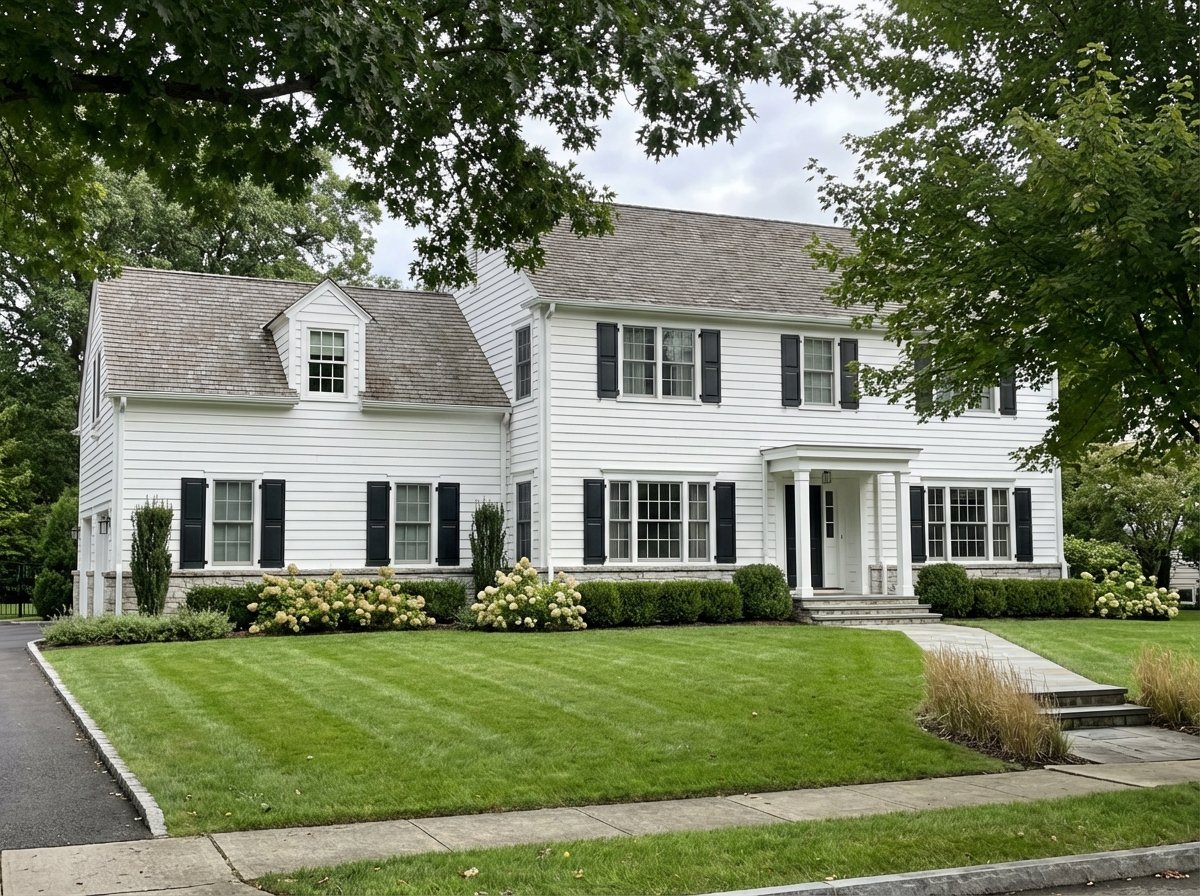
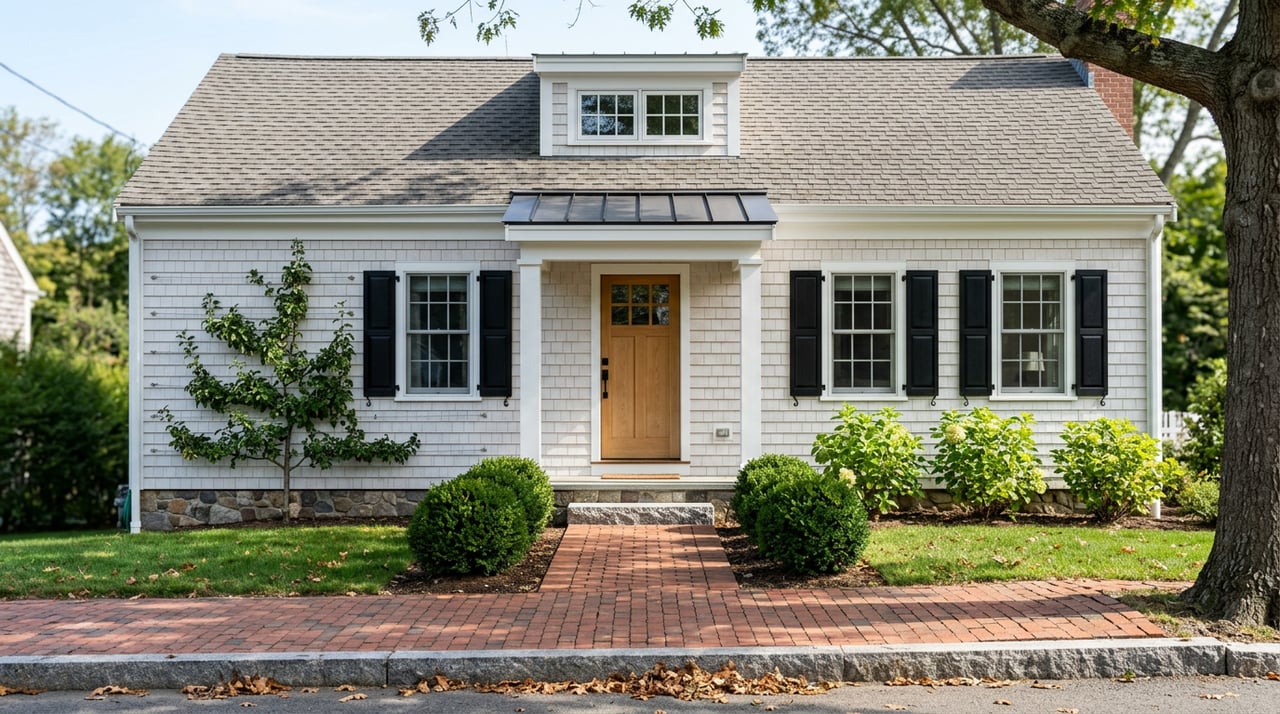
If you prefer a fee‑simple house without HOA rules, a compact in‑town cottage keeps the village feel and adds privacy. You manage your own yard and systems, which gives you control over upgrades and style.
- Price snapshot: many smaller houses trade around $1 million to roughly $3 million depending on size, lot, and renovation level. Proximity to Sound Beach Avenue and Greenwich Point often commands a premium.
- What to expect: you handle roof, HVAC, and landscaping. Older homes may need updates for comfort and efficiency.
Low‑maintenance waterfront: keep the view, simplify the work
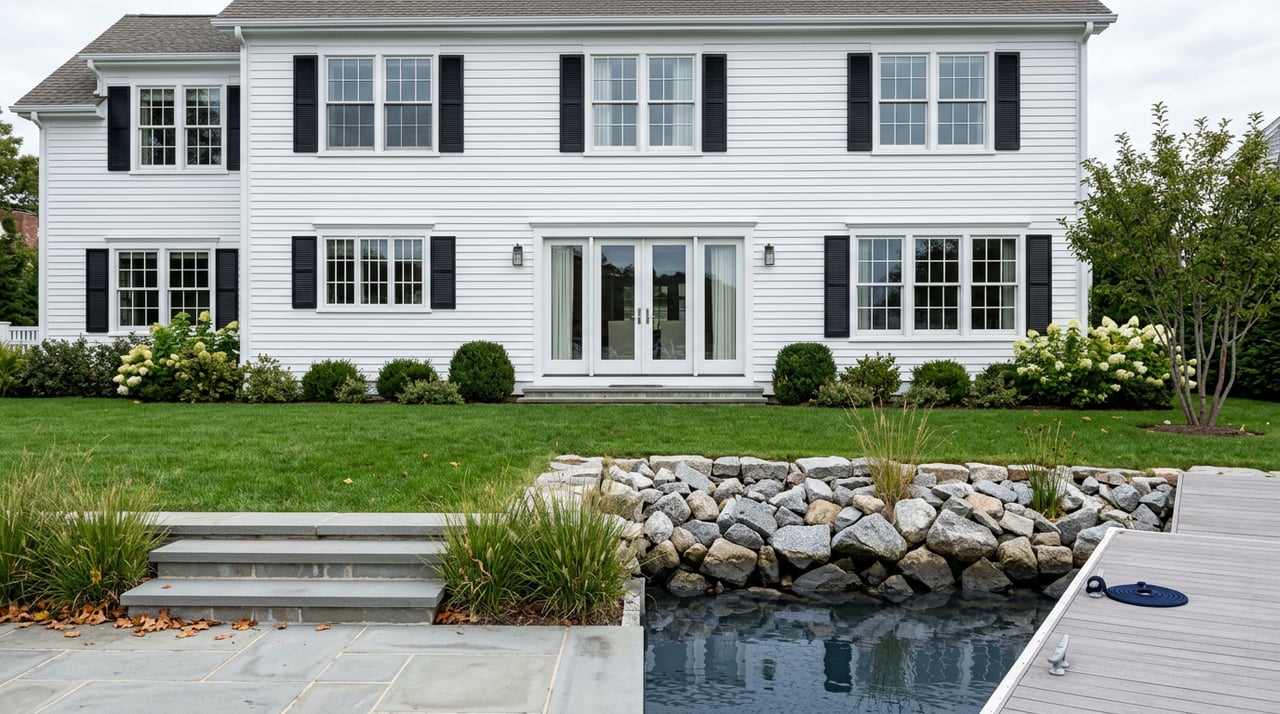
Waterfront living can be made simpler with a condo or a smaller house where exterior care is outsourced to pros. You keep the views and access, while reducing daily upkeep.
- Price snapshot: Old Greenwich waterfront spans tiers, with many sales in the $2.5 million to $8 million plus range. Properties with docks or extensive improvements can be higher.
- Special note: waterfront brings unique insurance and permitting considerations, which you should factor into your budget and timeline.
Lifestyle and cost trade‑offs
Condos
- Pros: predictable HOA budget, exterior and common‑area maintenance handled, easy lock‑and‑leave, often close to shops and the train.
- Cons: HOA rules and potential special assessments, limited private outdoor space, less control over building decisions.
Cottages
- Pros: full control to remodel or expand within local regulations, private yard, no HOA rules, classic village house feel.
- Cons: you manage roof, systems, and landscaping. Some homes will need updates to meet today’s comfort and accessibility goals.
Low‑maintenance waterfront
- Pros: shoreline lifestyle with options to outsource landscaping and exterior care, strong lifestyle appeal.
- Cons: specialized costs and rules. Many shoreline parcels fall within FEMA flood hazard areas, which can require flood insurance and elevation certificates. Learn how FEMA’s pricing works under Risk Rating 2.0 on the FEMA flood insurance page. Work on seawalls, docks, and piers often requires Connecticut DEEP and Town coastal approvals. A recent Town planning packet shows how coastal site plan reviews and referrals occur; see this Town coastal application example.
Financing and taxes to plan for
- Conforming vs. jumbo: the FHFA set the 2026 baseline conforming loan limit at $832,750. Many Old Greenwich purchases will sit above that amount and use jumbo financing. Jumbo loans often require larger down payments, stronger reserves, and earlier underwriting. Read the announcement from the FHFA on 2026 loan limits.
- Property taxes: Greenwich completed a town‑wide revaluation for 2025. The mill rate for FY2025–26 was reported around 12.041 mills. Revaluation can shift tax bills even when mill rates adjust. For parcel‑specific questions, contact the Assessor. Details are on the Town’s 2025 Revaluation page.
Sell well, buy smart: a step‑by‑step plan
- Confirm affordability and get pre‑approved. Ask your lender to size up jumbo options and, for waterfront, confirm flood insurance requirements.
- Partner with a hyperlocal Old Greenwich agent who knows village‑level pricing and how sample size affects value.
- If you are selling a house, consider a pre‑listing inspection to surface and scope repairs. Strategic staging and light updates can shorten market time and improve outcomes.
- If you are buying a condo, request HOA documents, reserve studies, meeting minutes, and the master insurance policy. Verify what monthly dues cover and whether assessments are planned.
- For waterfront, run FEMA flood checks and ask for elevation data and any coastal permits on file. Plan for insurance quotes early.
- Build a timeline that fits today’s market. Explore rent‑backs, bridge financing, or short‑term rentals so you can sell well and buy the right place without pressure.
What to expect in today’s market
Old Greenwich behaves like a sellers’ market when inventory is scarce. Recent snapshots show sale‑to‑list ratios above 100 percent, which signals competition for well‑priced homes. If staying local is the priority, flexible timing matters. Many sellers prefer quick closings or rent‑backs, and many buyers win with clean, well‑prepared offers.
Work with your agent to align closing dates, factor moving logistics, and prepare backup plans. Your goal is a smooth handoff from your current home to your next address without leaving the village.
Old Greenwich walkability and commute
If you still commute or just like easy access to the city, the Old Greenwich Metro‑North station anchors the village and offers direct service along the New Haven Line. See the Old Greenwich station details. Greenwich Point is nearby for year‑round walks and seasonal beach days, which adds to the appeal of living small and living close.
Choosing your fit: quick comparison
Condos
- Best for: lowest daily maintenance and predictable monthly costs.
- Typical price: mid‑$300,000s to $700,000 for many 1‑bed units; larger or renovated units can exceed $1 million.
- Recurring costs: HOA dues, plus unit utilities not in HOA.
- Privacy/outdoor: limited private outdoor space, shared amenities.
- Good to know: review reserves and insurance to understand assessment risk.
In‑town cottages
- Best for: privacy and control without HOA rules.
- Typical price: about $1 million to roughly $3 million depending on lot and condition.
- Recurring costs: maintenance, utilities, and property taxes.
- Privacy/outdoor: private yard, most control over design and upgrades.
- Good to know: older systems may need updating for comfort and energy use.
Low‑maintenance waterfront
- Best for: shoreline views and access with outsourced exterior care.
- Typical price: about $2.5 million to $8 million plus, higher for docks or larger parcels.
- Recurring costs: flood insurance, wind endorsements, potential seawall or dock upkeep.
- Privacy/outdoor: varies by property; association or contractor support can reduce chores.
- Good to know: plan ahead for coastal permits and insurance underwriting.
When you are ready to right‑size without leaving the village, you deserve guidance that blends market insight with thoughtful presentation. For a local, design‑savvy strategy to sell well and secure the next place you love, connect with Nora Giovati.
FAQs
How much are HOA fees for Old Greenwich condos?
- Many local buildings show monthly dues in the roughly $300 to $500 range, but coverage varies by association. Always confirm what utilities and services are included.
Are in‑town cottages cheaper to own than condos in Old Greenwich?
- It depends. Cottages avoid HOA dues but add full responsibility for roof, systems, and landscaping. Condos add an HOA but often include heat, water, or common maintenance in one predictable bill.
What should I know about flood insurance for Old Greenwich waterfront homes?
- Many shoreline homes fall within FEMA flood zones, which can require flood insurance and an elevation certificate. Pricing follows FEMA’s Risk Rating 2.0 model. Start quotes early to size the budget and compare options.
How fast do downsizing‑friendly homes sell in Old Greenwich?
- Recent snapshots show a competitive market with sale‑to‑list ratios above 100 percent and days on market in the dozens. Well‑priced, walkable condos and cottages can move quickly.
How did Greenwich’s 2025 revaluation affect property taxes?
- The Town completed a 2025 revaluation and set a mill rate around 12.041 mills for FY2025–26. Your bill depends on your property’s assessed value. Contact the Assessor for parcel‑specific figures.
Can I buy before I sell in a competitive Old Greenwich market?
- Yes, with planning. Consider bridge financing, rent‑backs, or short‑term rentals. Strong pre‑approval and a clear timeline help you compete without rushing your sale.